Font Size:
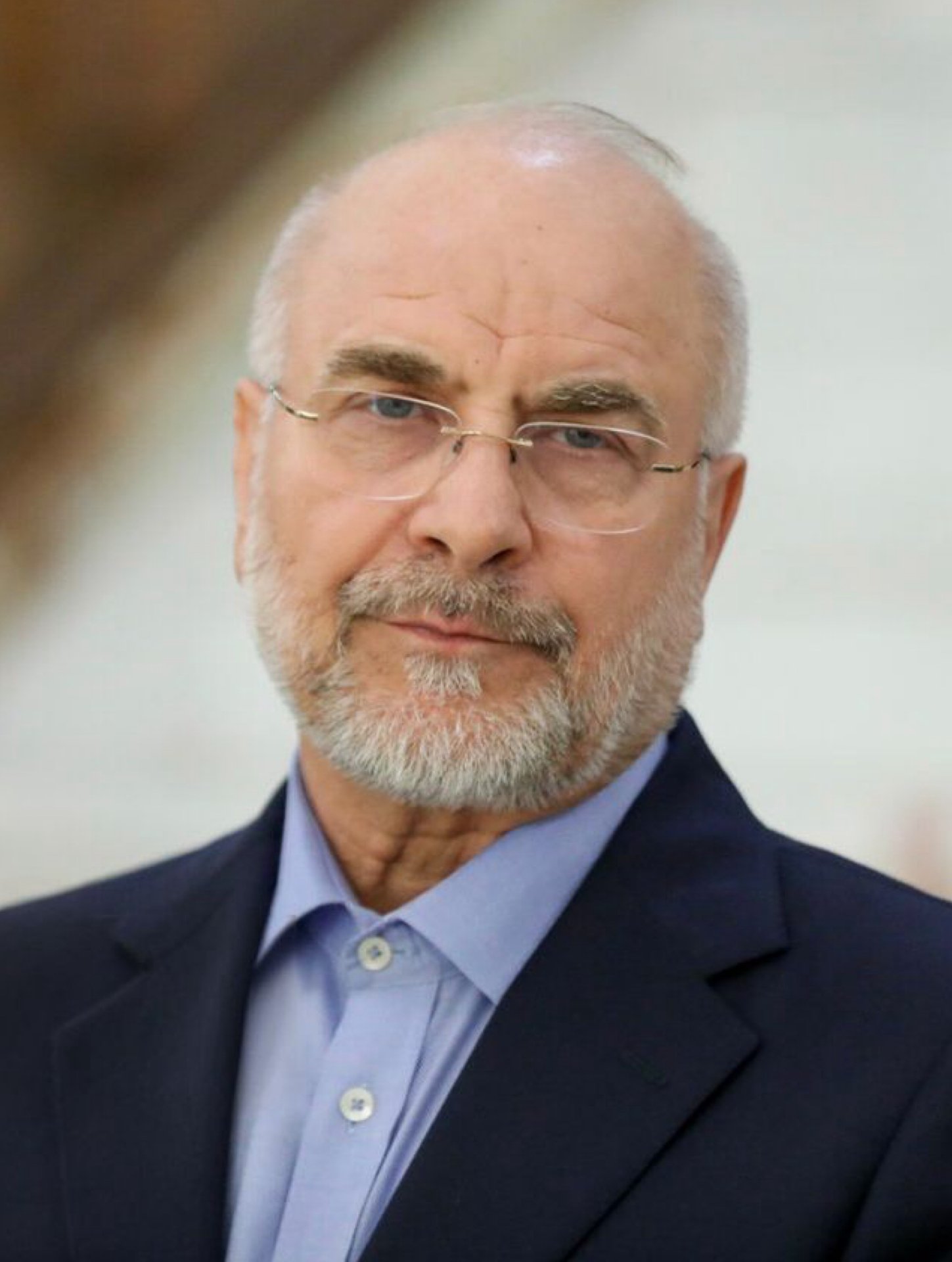
A British press report revealed the formation of a strategic alliance within the IRGC between the current commander Ahmad Wahidi and his former counterpart Muhammad Ali Jafari, which led to the marginalization of the role of Parliament Speaker Muhammad Baqir Qalibaf in the Iranian political scene.
The British newspaper "The Telegraph" reported a sharp decline in the influence of Iranian Parliament Speaker Mohammad Baqer Qalibaf, who was described as "Putin Iran", in favor of a new alliance within the Revolutionary Guards. This alliance includes Ahmad Wahidi, the current commander-in-chief of the IRGC, and Muhammad Ali Jafari, the former commander who is currently the second most powerful figure in the Iranian regime. Jafari stands out as a seasoned strategist who in 2019 assumed the leadership of HQ “Rest of God,” one of Iran's most important clandestine institutions. This device has a special status similar to the Quds Force, reporting directly to the office of the Supreme Leader. During his leadership of the IRGC between 2007 and 2019, Jafari designed a decentralization strategy and established the intelligence services and cyber command. The new alliance is based on the exchange of strategic interests, as Wahidi needs Jafari's influence among the young generations of Guards and Basij To solidify his base, while Jafari exploits a lonely position to marginalize his opponents as Qalibaf. This cooperation takes place through the "Middle Ring" network, which includes groups of militant youth distributed in the neighborhoods of Iran. Data indicate that the conflict between Jafari and Qalibaf has been public since 2022, when a leaked recording revealed widespread corruption accusations against Qalibaf. These accusations damaged the IRGC's image as an Islamist ideological force, strengthening the hardliners' position "Purity" are the likes of Wahidi and Jafari. This alliance portends radical shifts in the structure of the Iranian regime, as it may lead to the complete domination of the IRGC over political power. Internally, Tehran is expected to become more repressive, while externally it may adopt a more aggressive policy towards the United States and Israel, as the Guard will view confrontation as a natural language of power rather than a risk to be avoided.
Source: Al-Wehda Al-Arabia News Portal