
Font Size:
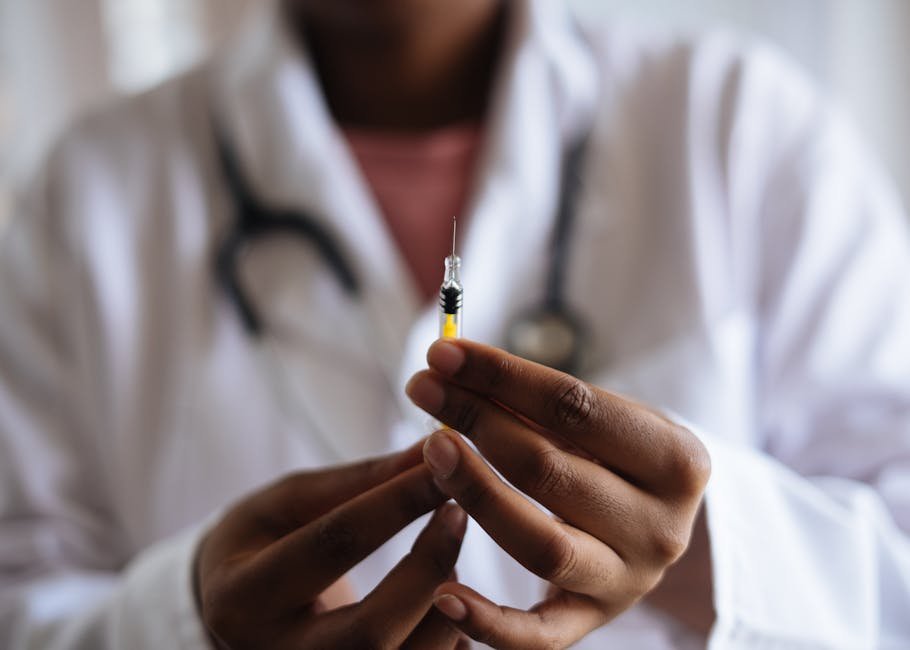
An international clinical trial involving 102 patients revealed the success of the new drug Amifantamab in achieving exceptional therapeutic responses for head and neck cancer patients. The new treatment, administered via subcutaneous injection, successfully shrank tumors in 43 patients and completely disappeared in 15 other advanced cases that did not respond to conventional treatments.
The field of cancer treatment has witnessed a promising scientific development after the results of an international clinical trial showed the amazing effectiveness of the new drug "Amifantamab" in the face of head and neck cancer. The trial, which spanned 11 countries and 102 patients, achieved results that experts described as “unprecedented” in this complex field. The study yielded staggering results as 43 patients experienced a noticeable contraction in their tumors or their tumors completely disappeared, while the tumors disappeared at all in 15 other patients. These patients were advanced cases that had exhausted all conventional chemotherapy and immunotherapy options, making these results even more miraculous. Amifantamab features a three-dimensional mechanism of action that attacks cancer from multiple fronts at once. The drug disrupts the tumor-stimulating protein EGFR and inhibits the met pathway that cancer cells use to escape treatments. In addition to activating the immune system to attack the tumor directly. An important aspect of the new treatment is its ease of application, as it is administered via a small subcutaneous injection rather than a complex intravenous infusion, which provides greater patient comfort and speeds up the outpatient treatment process. The study also showed that the average survival was 12.5 months for the treated patients. Despite these promising results, the researchers confirm that the drug is still under clinical evaluation and has not Proven to be a panacea for all cancers. However, Professor Kevin Harrington of the Institute of Cancer Research in London stressed that the treatment "has the potential to benefit thousands of patients annually," opening new horizons for patients who have lost hope in conventional treatments.
Source: Al-Wehda Al-Arabia News Portal