Font Size:
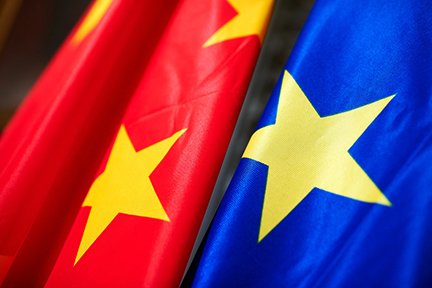
Economic relations between the European Union and China are on the rise as Brussels announces the expansion of trade defense tools against Chinese imports. This comes as part of a European strategy to reduce dependence on China without severing relations altogether, while Beijing accuses Europe of practicing "disguised protectionism."
The European Union recently unveiled a new trend to expand its protectionist measures against China, including increasing tariffs and imposing import restrictions in the clean technology, metals and electric vehicle sectors. Stefan Sjornje, the European Commissioner for Industry, stressed that the goal is not to break away from China but to achieve a real balance in trade relations. These developments came ahead of a special meeting of EU commissioners to discuss the future of the relationship with Beijing, in light of China's trade surpluses with Europe are growing. The move reflects growing European concern about overreliance on Chinese imports in strategic sectors, especially with the broad government support received by Chinese companies. For its part, the Chinese Foreign Ministry accused the European Union of cherry-picking data to justify claims of trade imbalance. Chinese Foreign Ministry spokeswoman Mao Ning said the policies "reduce “ European risks” are forms of trade protectionism that hurt European consumers and raise costs. These tensions spill over into multiple sectors, with Brussels imposing a €200 million fine on China's Timo platform for failing to prevent the sale of illegal products. The European Commission has also opened an investigation into Chinese firm JD.com's bid to acquire German conglomerate Seaconomy. Despite rising tensions, mutual economic interests prevent the relationship from collapsing altogether. China needs the European market to process its exports, while Europe relies on Chinese raw materials and technological components. The current relationship looks more like a “structured competition” aimed at redrawing trade rules without sacrificing accumulated economic gains. The future of EU-China relations is expected to be determined by the ability of both parties to manage The complex balance between economic cooperation and strategic competition, in a world moving towards greater economic and geopolitical division.
Source: Al-Wehda Al-Arabia News Portal