Font Size:
The EU saw its trade surplus with non-member countries drop significantly to €12.7 billion during the first quarter of 2026, compared to €23.6 billion in the previous quarter. This decline is mainly due to the decline in the surplus of the machinery and vehicles sector and the widening deficit of energy products.
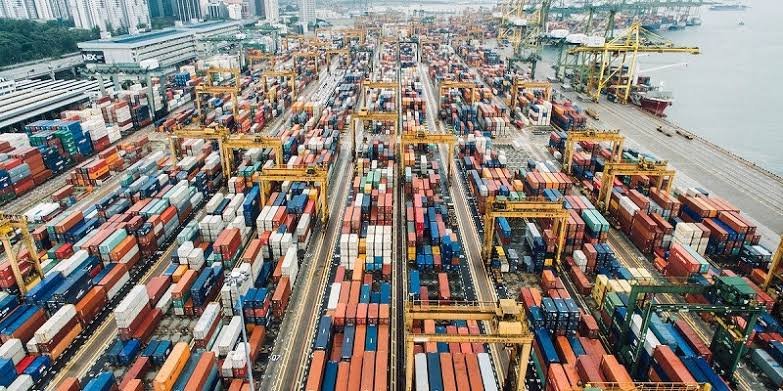
European official data revealed that the European Union recorded a surplus in goods trade with non-member countries of 12.7 billion euros during the first quarter of 2026, achieving a positive surplus for the eleventh consecutive quarter since the third quarter of 2023. Although the positive surplus continues to be achieved, the figures show a sharp decline compared to the last quarter of 2025, in which the surplus amounted to 23.6 billion euros, reflecting a decrease by more than 46%. Official analyses indicate that this decline is mainly attributed to two main factors: the decrease in the surplus of the machinery and vehicle sector from 39.8 billion euros to 27.8 billion euros, in addition to the expansion of the deficit of energy products from 64 billion euros to 72.2 billion euros. In contrast, some sectors contributed to mitigating the decline, as the deficit in the category of other manufactured goods shrank from 10.9 billion euros to 5 billion euros, and also rose The surplus of the category "other goods" from 7.2 billion euros to 11.5 billion euros. In terms of trade movement, indicators showed that European exports contracted by 0.1% during the first quarter of 2026, recording the fourth consecutive quarterly decline in light of continued tensions related to customs duties and global trade, while imports witnessed an increase of 1.7% after three consecutive quarters of decline. This development comes in the historical context of the performance of European trade, which saw a period of sharp trade deficits between late 2021 and mid-2023, was mainly affected by rising energy costs on the European continent.
Source: Al-Wehda Al-Arabia News Portal