
Font Size:
The Strait of Hormuz witnessed a sharp decline in maritime traffic from 135 ships per day to only several ships, under the US siege and tension with Iran. Despite this, 120 sanctions-busting vessels continued to cross the strategic strait in defiance of the restrictions.
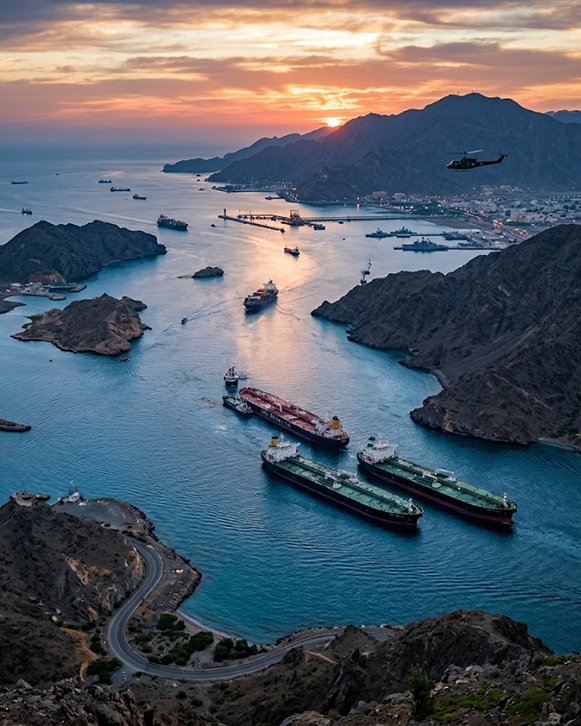
The British newspaper "Financial Times" revealed a resounding collapse in navigation traffic through the Strait of Hormuz, as the number of ships transiting daily fell to only a few ships compared to about 135 transits per day before the current tensions erupted. The newspaper pointed out that 38 ships were attacked while trying to cross the vital waterway. According to an analysis by Al Jazeera Network's Open Source Unit, 87 vessels under the US naval blockade have crossed Since April 13, 2026, the Strait of Hormuz during the period up to May 13. The blockade targets ships coming from or heading to Iranian ports, in addition to ships flying the Iranian flag. Marine Traffic platform data showed that vessels violating US decisions continued to defy sanctions, with a total of about 120 vessels out of 225 crossing the strait, equivalent to 53% of total traffic. 13 vessels also failed Managed by Chinese, Indian, Pakistani, Turkish and Qatari companies in transit. The Strait of Hormuz is one of the most important shipping lanes in the world, passing through it 11% of the volume of world trade and a fifth of the production of oil and liquefied gas before the current crisis. The strait is a central point of contention in talks between Washington and Tehran to end the current escalation. Iran clings to control of traffic through the strait to take advantage of transit fees, while the US asserts Many States emphasize the need to ensure unrestricted freedom of navigation. After the negotiations stalled, Washington imposed a blockade on Iranian ports, while Tehran responded by preventing the passage of ships except in coordination with it.
Source: Al-Wehda Al-Arabia News Portal